To prevent wrongful towing and ascertain the property owner has authorized the towing company to confiscate the vehicle, the towing laws in California require that there is a written authorization before the towing can happen. Our writer got some information from Auto Towing in San Francisco regarding the legalities of written authorization.

The written authorization must contain the following information;
-The time that the authorization was made.
– The actual time when the vehicle was first observed
– Reason for the tow
– Identity details and the address of the person authorizing the towing.
-The vehicle details of the car being towed.
In a case where the legal authorization is not obtained, the company is responsible for up to four times of the storage and towing fees. When evaluating predatory towing in California, the major issue which occurs is the written authorization.
Police notification
The towing company must notify the police that it has your vehicle. It is also the company obligation to report each and every car that has been towed. This should happen immediately after the car has been towed such that when the owner calls to report, the police can say the car is confiscated and not stolen.
The reporting should take a maximum of 30 minutes or else the company owes the storage and towing fees.
Requirement of storage requirements
The towing company is not supposed to haul your vehicle for more than 10 miles, unless there is a written authorization from the police. This might occur where storage facilities are not found within 10 miles.
Every storage facility must have a public pay phone. The opening time should be between 8 to 5pm Monday-Friday. On after hours, holidays, and the weekends, the facility should be in a position to release the vehicle even though this might attract an additional gate fee.
Claiming your vehicle back
Before paying for anything you must be provided with a copy of written authorization. The company must also provide you with the notification which states that; “if you believe that the towing was wrongful, please contact the police or the prosecuting agency”. The right telephone numbers must be there on that notification. Also, the notice must be in the popular language spoken there or in English.
The storage facilities don’t accept check unless is from the insurance so make sure you pay your fines using cash or credit card.
Do you have a caravan that you use for towing? There are mirror requirements and many others when towing one. Check the article out to read about some of the regulations.
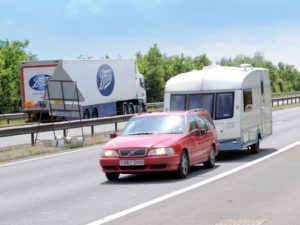 While some caravan doesn’t require towing mirrors, many do. It is a legal requirement that every car/caravan should have at least two mirrors. Things get tough when it comes to towing. Maybe your vehicle is wider than the unit you are towing. It is your obligation to buy and install towing mirrors. most people think that just because they are using a 4 by 4 vehicle, they don’t require the towing mirrors.such a mistake can cost you more than the price of towing mirrors. A good set of mirrors should give you a good service on your towing life. It is therefore a good idea to purchase towing mirrors designed for a wide range of towing vehicles as possible. Here is a list of the best caravan towing mirrors.
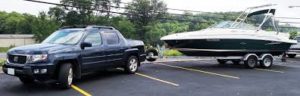 The laws on boat towing can cause controversy and heated debates on different states. According to how serious and strict these laws can be, it is therefore advisable to get informed on the laws on the state you are driving through. Here are some of the things that you need to know before towing your boat on some states.